Industry Report 2026
Reduce solvent costs. Better evaluate contract distillation.
The 2026 Industry Report shows how companies in the printing, packaging printing, paint, and coatings industries —as well as related coating processes — can identify hidden solvent costs, make more informed assessments of contract distillation, and better prioritize investments.
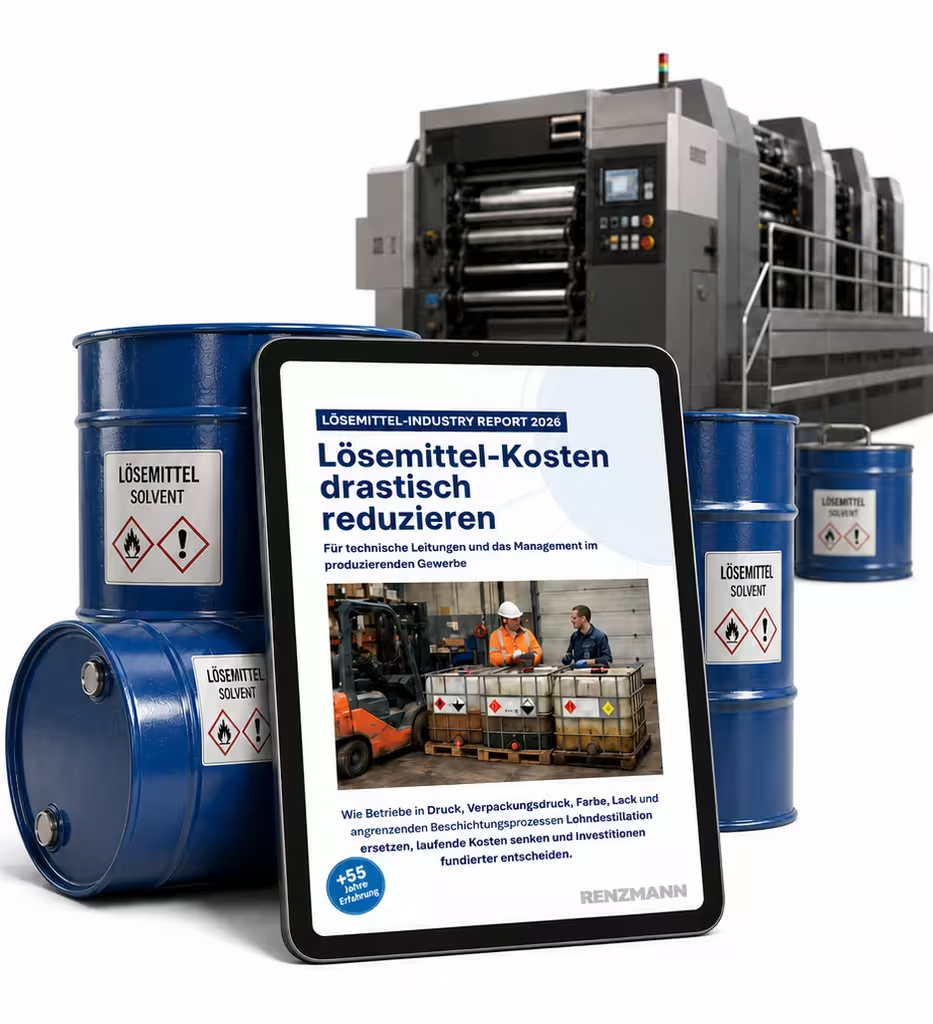
- Identifycosts associated with contract distillation, fresh solvents, and waste disposal
- Assessrecovery, reusability, and cost-effectiveness more thoroughly
- Recognizing typical warning signs and determining when contract distillation becomes economically unsustainable
Get the report as a PDF and gain a better foundation for making informed assessments of solvent costs, recovery, and in-house distillation .
For technical managers, production supervisors, and management in the manufacturing industry.
Industry Report 2026
Reduce solvent costs. Get a better understanding of contract distillation.
Your report for better solvent decisions.
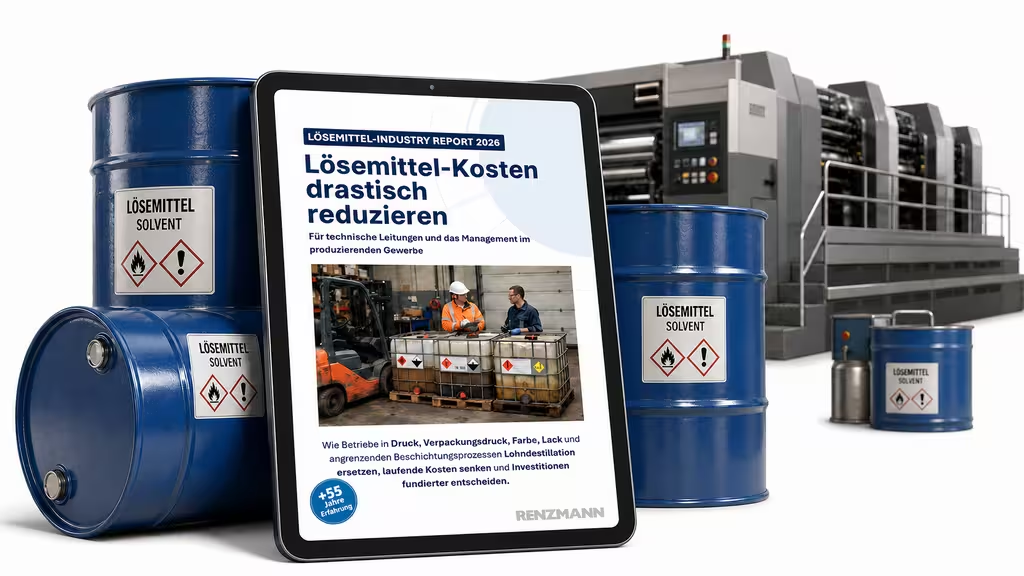
The 2026 Industry Report shows how companies in the printing, packaging printing, paint, and coating industries —as well as related coating processes —are bringing hidden solvent costs to light.
- Assessrecovery, reusability, and cost-effectiveness more thoroughly
- Recognizing typical warning signs and determining when contract distillation becomes economically unsustainable
- Identifycosts associated with contract distillation, fresh solvents, and waste disposal
Get the report as a PDF and gain a better foundation for making informed assessments of solvent costs, recovery, and in-house distillation .
Does this sound familiar to you?
In many companies , solvent costs are primarily viewed in terms of purchasing and disposal. However, the real opportunity for cost savings lies in the entire cycle.
1. Contract distillation is an ongoing expense
Outsourcing not only incurs service costs, but often also involves transportation, coordination, and maintenance expenses.
2. Additional solvent must be purchased
Since recovery rates and quality are insufficient, cleaning costs and replacement purchases occur simultaneously.
3. Disposal and leftover quantities negatively impact profitability
The lower the actual recovery rate, the higher the disposal and replacement costs.
4. Storage, handling, and inventory levels are growing accordingly
Increased operational volume means more space requirements, more internal effort, and a greater organizational burden.
Does this sound familiar to you?
In many companies , solvent costs are primarily viewed in terms of purchasing and disposal. However, the real opportunity for cost savings lies in the entire cycle.
1. Contract distillation is an ongoing expense
Outsourcing not only incurs service costs, but often also involves transportation, coordination, and maintenance expenses.
2. Additional solvent must be purchased
Since recovery rates and quality are insufficient, cleaning costs and replacement purchases occur simultaneously.
3. Disposal and leftover quantities negatively impact profitability
The lower the actual recovery rate, the higher the disposal and replacement costs.
4. Storage, handling, and inventory levels are growing accordingly
Increased operational volume means more space requirements, more internal effort, and a greater organizational burden.
That's exactly where this report comes in!
It highlights which cost factors are often overlooked and when it’s worth taking a closer look at in-house distillation.
That's exactly where this report comes in!
It highlights which cost factors are often overlooked and when it’s worth taking a closer look at in-house distillation.
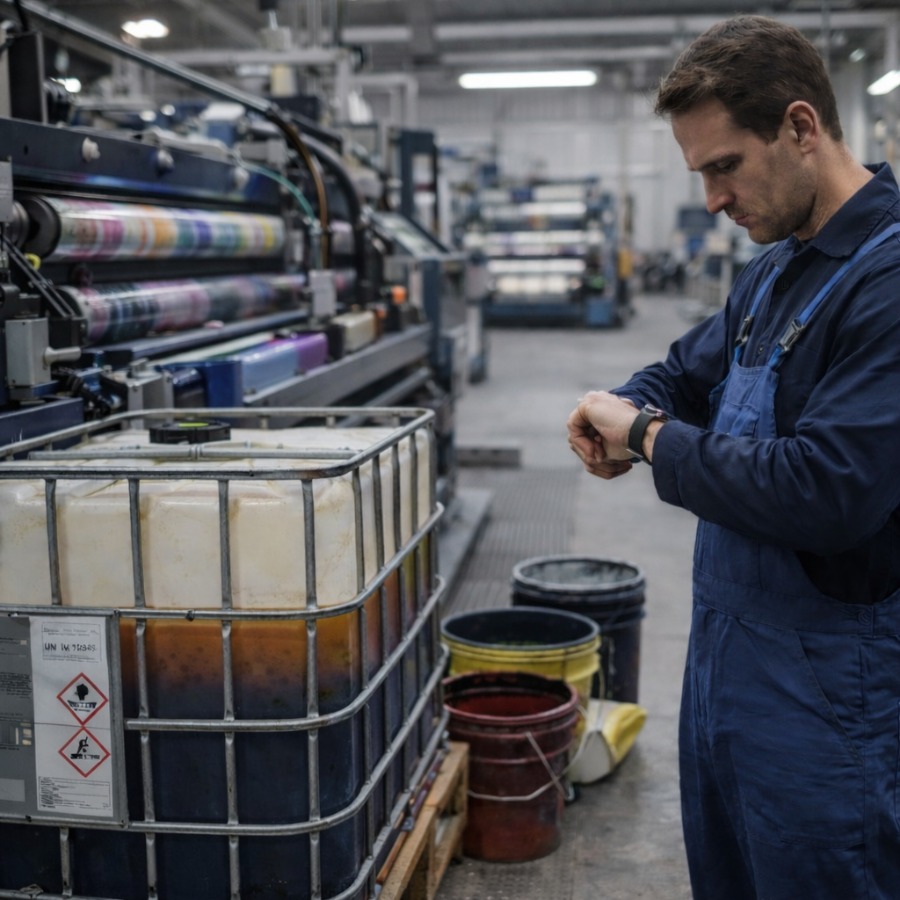
What you'll learn from the report

1. Where hidden solvent costs arise today

2. When contract distillation becomes economically problematic

3. The Benefits of In-House Recovery in Day-to-Day Operations

4. The role of automation, security, and process data

5. How a pilot plant test using your original solvent reduces investment risks

6. Which key metrics you should consider to make an informed decision
What you'll learn from the report
1. Where hidden solvent costs arise today
2. When contract distillation becomes economically problematic
3. Which key metrics you should consider to make an informed decision
4. The Role of Automation, Security, and Process Data
5. How a pilot plant test using the original solvent reduces investment risks
6. The Benefits of In-House Recovery in Day-to-Day Operations
Relevant for facilities with solvent-intensive processes
Industries
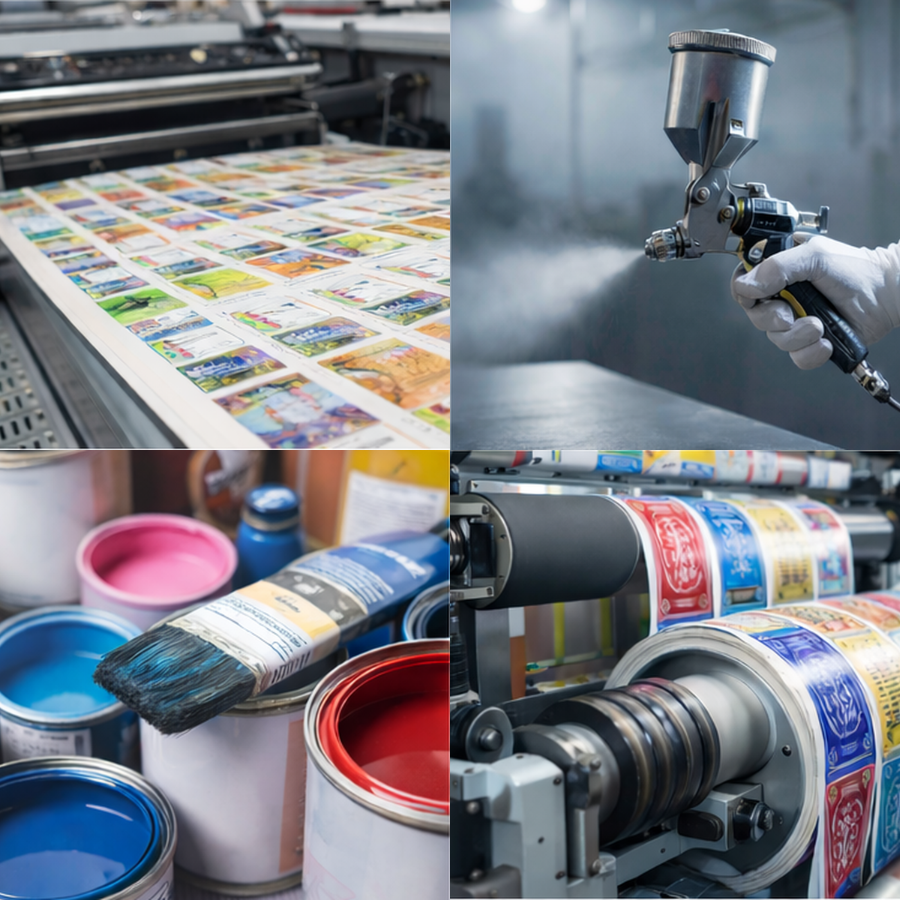
- Printing and Packaging Printing
- Flexographic printing and rotogravure printing
- Paints and Varnishes
- Coatings
- Sealants and Adhesives


Typical roles:
- Management
- Plant Management
- Production Management
- Technical Director
- Process owners
The report is particularly relevant for companies that already use contract distillation or are experiencing rising costs, high inventory pressure, and uncertainty regarding profitability.
Relevant for facilities with solvent-intensive processes
The report is particularly relevant for companies that already use contract distillation or are experiencing rising costs, high inventory pressure, and uncertainty regarding profitability.
Industries
- Printing and Packaging Printing
- Flexographic printing and rotogravure printing
- Paints and Varnishes
- Coatings
- Sealants and Adhesives
Typical roles:
- Management
- Plant Management
- Production Management
- Technical Director
- Process owners
Why RENZMANN prepared this report
Since 1969, RENZMANN has been developing washing machines and distillation systems for industrial cleaning processes. This experience is also reflected in the Industry Report: at the technical center, contaminated solvents are tested under real-world conditions and evaluated from both technical and economic perspectives.
- Test using the customer's original solvent rather than relying solely on a theoretical assessment
- Real-world data on distillate quality, recovery rates, and operational performance
- Consulting and ROI assessment by an interdisciplinary team of Renzmann specialists
- A trusted partner for printing, inks, and coatings —and for other industries with demanding cleaning and distillation processes
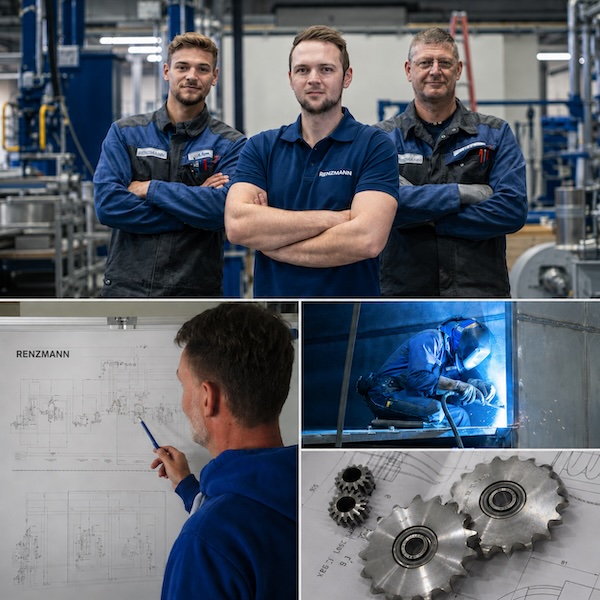
Why RENZMANN prepared this report
Since 1969, RENZMANN has been developing washing machines and distillation systems for industrial cleaning processes. This experience is also reflected in the Industry Report: at the technical center, contaminated solvents are tested under real-world conditions and evaluated from both technical and economic perspectives.
- Test using the customer's original solvent rather than relying solely on a theoretical assessment
- Real-world data on distillate quality, recovery rates, and operational performance
- Consulting and ROI assessment by an interdisciplinary team of Renzmann specialists
- A trusted partner for printing, inks, and coatings —and for other industries with demanding cleaning and distillation processes
Companies that outsource the treatment of contaminated solvents often incur multiple costs simultaneously: external treatment, fresh solvents, disposal, handling, and storage. For this reason alone, the actual financial burden can be significantly higher than it appears at first glance.

The report uses a sample calculation to illustrate how in-house distillation can be more cost-effective than external processing.

It also explains why it is not just volume that matters, but also factors such as water content, residues, process requirements, and reusability.
Why taking a closer look can pay off financially
Companies that outsource the treatment of contaminated solvents often incur multiple costs simultaneously: external treatment, fresh solvents, disposal, handling, and storage. For this reason alone, the actual financial burden can be significantly higher than it appears at first glance.
The report uses a sample calculation to illustrate how in-house distillation can be more cost-effective than external processing.
It also explains why it is not just volume that matters, but also factors such as water content, residues, process requirements, and reusability.
FAQ
Who is this report intended for?
For technical supervisors, production managers, and executives at companies with solvent-intensive processes who wish to make more informed assessments of costs, availability, and cost-effectiveness.
Is the report still relevant even if we don't have our own distillation facility yet?
Yes. That’s exactly when the report helps you organize wage breakdowns, operating costs, and potential alternatives in a structured way.
Does the report replace a pilot plant test?
No. The report provides guidance. A pilot test is useful when you need reliable data on your specific medium.
What information do we need to provide to download it?
Just your basic contact information so we can send you the report.
What role do water content, residues, or foaming play in the evaluation?
Such factors can significantly influence the technical classification. This is precisely why a general assessment cannot replace testing the specific medium under real-world conditions.
Is it possible to determine in advance whether it is technically and economically feasible to recover our solvent?
The report identifies the key metrics and influencing factors relevant to this. A more definitive assessment can be made in the next step through a pilot plant test using your original solvent.
FAQ
Who is this report intended for?
For technical supervisors, production managers, and executives at companies with solvent-intensive processes who wish to make more informed assessments of costs, availability, and cost-effectiveness.
Is the report still relevant even if we don't have our own distillation facility yet?
Yes. That’s exactly when the report helps you organize wage breakdowns, operating costs, and potential alternatives in a structured way.
Does the report replace a pilot plant test?
No. The report provides guidance. A pilot test is useful when you need reliable data on your specific medium.
What information do we need to provide to download it?
Just your basic contact information so we can send you the report.
What role do water content, residues, or foaming play in the evaluation?
Such factors can significantly influence the technical classification. This is precisely why a general assessment cannot replace testing the specific medium under real-world conditions.
Is it possible to determine in advance whether it is technically and economically feasible to recover our solvent?
The report identifies the key metrics and influencing factors relevant to this. A more definitive assessment can be made in the next step through a pilot plant test using your original solvent.
Request the report now and get a more accurate assessment of your solvent costs
Use this report as a basis for identifying hidden costs, gaining a better understanding of wage distribution, and planning the next logical step for your business.